
Where editing becomes a discipline
A structured approach to film editing education, built on specificity rather than generality.
Breskavod was established in 2019 with a clear premise: most editing courses teach software, not thinking. Our curriculum covers 14 distinct editing techniques across 6 structured modules, from continuity cutting and match-on-action to montage theory and sound-picture relationships. Each lesson is built around a concrete editorial problem, not an abstract concept.

The people behind the curriculum
Each instructor at Breskavod has worked professionally in post-production before transitioning to teaching. The editorial credits across the team span documentary, fiction, and commercial work across 3 continents — which shapes how the material is framed for an international audience.
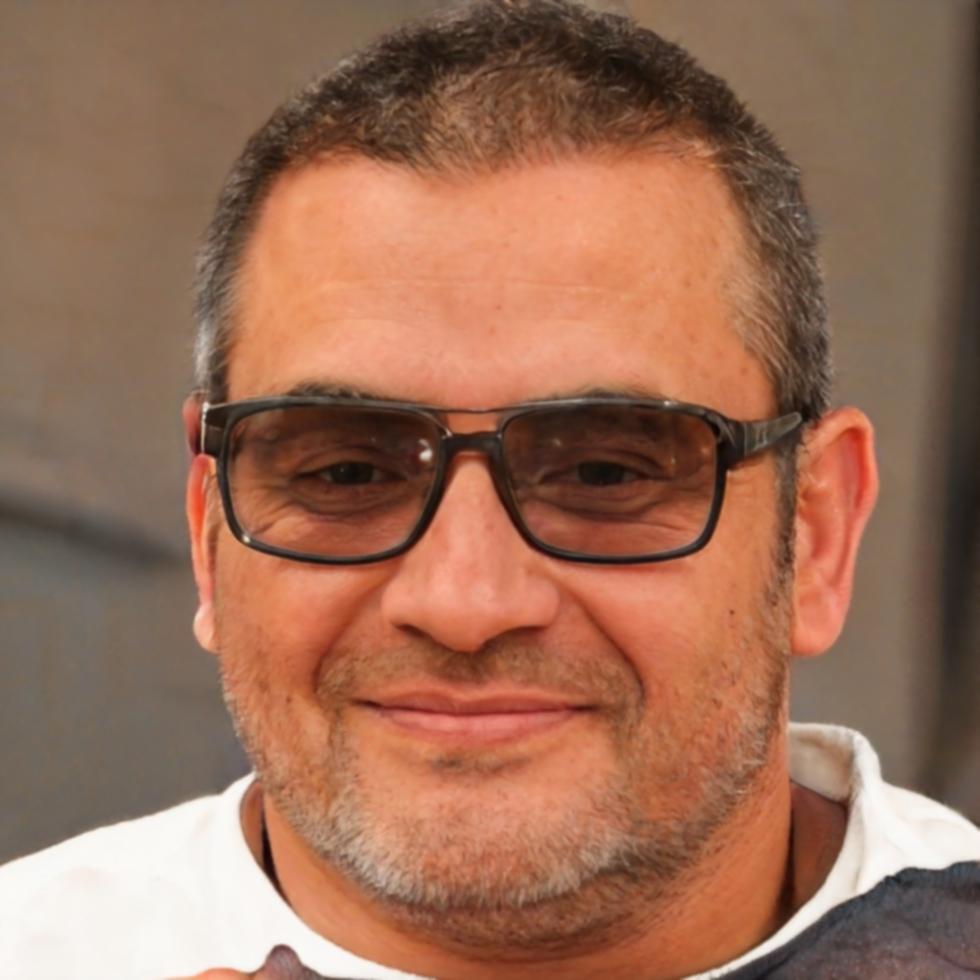
Taras Hryhorenko
Lead Curriculum Editor
Taras spent 11 years as a picture editor on documentary projects across Eastern Europe before joining Breskavod. He designed the core 6-module structure and wrote the lesson frameworks for continuity editing and pacing analysis.

Olena Savchuk
Sound & Picture Instructor
Olena's background is in narrative fiction, with 8 feature-length credits as an editor. At Breskavod she leads the sound-picture relationship module — an area that most editing courses treat as secondary but which she argues is structurally central.
Bohdan Yatsenko
Montage Theory Specialist
Bohdan holds a graduate degree in film theory from Kyiv and has published 3 papers on Soviet montage traditions and their influence on contemporary editing practice. His module covers Eisenstein, Vertov, and how their principles apply inside a modern NLE.
Iryna Polishchuk
International Curriculum Coordinator
Iryna coordinates how content is adapted for learners across different educational backgrounds. With students from 38+ countries on the platform, she reviews each module for cultural assumptions that might create barriers to comprehension.
How a lesson gets built
What shapes the editorial approach
Five principles run through every module at Breskavod — not as stated values, but as structural decisions visible in how lessons are written and assessed.
Technical precision
Every lesson names specific frame counts, cut types, and timing ratios. Vague guidance like "cut when it feels right" is replaced with measurable criteria that can be reviewed and discussed.
Historical grounding
Techniques are traced to their origins. Understanding why a match cut works requires knowing the 1960s French New Wave context in which it was formalized — not just how to execute it in Premiere.
International framing
Reference films span 12 national cinemas. Learners from different regions encounter examples that reflect their own viewing history, which changes how the analytical frameworks land.
Structured sequencing
Modules are ordered by dependency, not topic. A learner cannot reach the montage module without completing continuity and pacing first — because the later material assumes the earlier vocabulary.
Project-based review
Assessment is editorial, not written. Each module ends with a 90-second cut assembled from provided footage, reviewed against a rubric of 7 specific technical criteria by an instructor.
Ongoing revision
Modules are reviewed every 18 months against changes in NLE software and shifts in industry practice. Lessons referencing outdated workflows are rewritten, not patched.
 Module review session — pacing analysis exercise
 Continuity module — cut-point annotation exercise
See the curriculum in detail
The full module structure, lesson count, and assessment criteria are listed on the services page — no registration required to read them.
View the curriculum